
Overview
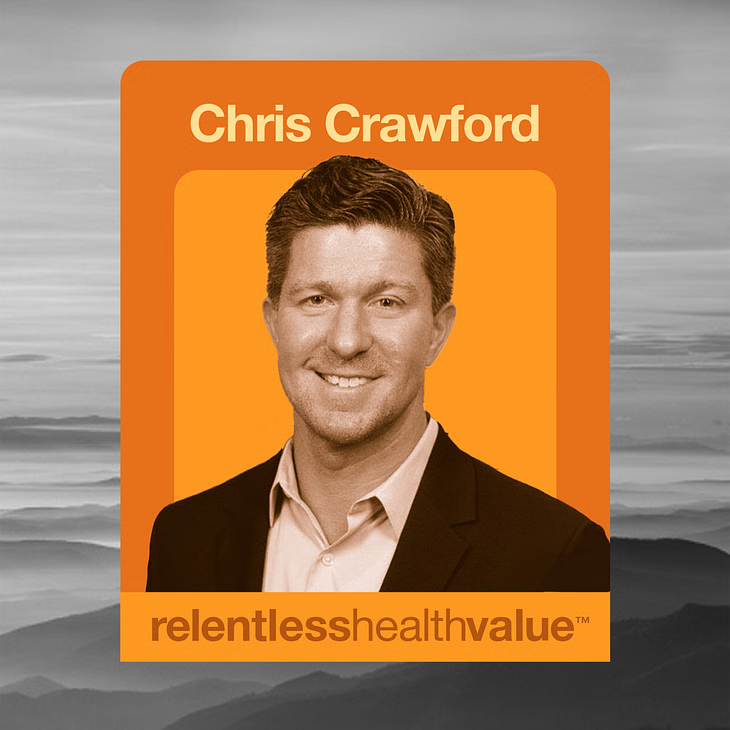
Plan sponsors evaluating PBMs typically focus on rebate yields rather than net unit prices. This creates a structural problem: manufacturers only provide larger rebates in exchange for volume guarantees, meaning fewer access restrictions. The result is an either-or scenario where plan sponsors can control volume or unit cost, but not both – a particularly costly dynamic for expensive GLP-1 medications. Chris Crawford dives into this challenge on the EP461 of the Relentless Health Value podcast.
The Volume-Price Squeeze
The math is straightforward but brutal. Total pharmacy costs equal drug volume multiplied by unit price. For GLP-1s, plan sponsors are stuck with an either-or scenario:
⬇️ Lower volume = ⬆️ Higher unit prices: Restrict access through formulary controls, and PBMs lose negotiating leverage for rebates.
⬆️ Higher volume = ⬇️ Lower unit prices: Maximize rebates by guaranteeing unrestricted access, driving up total utilization.
This happens because PBMs evaluate success based on rebate yields, not net unit prices. When plan sponsors choose PBMs with the biggest rebate programs, they’re inadvertently selecting for higher volumes.
The Rebate Trap
Here’s how the perverse incentives play out: PBMs demand larger rebates from manufacturers, who agree—but only with volume guarantees. No restrictions beyond FDA labeling means more patients get access, driving up total costs even as unit prices drop.
The result? Plan sponsors who thought they were getting a deal through bigger rebates end up paying more overall due to increased utilization.
The Cash Alternative
A third option is emerging through the growing cash marketplace. Direct-to-consumer programs from manufacturers like Eli Lilly’s direct-pay platform often beat PBM-negotiated prices – without the volume commitments.This creates an opportunity for plan sponsors to:
🎯 Selectively support qualifying employees through cash programs.
💸 Access lower prices without triggering volume requirements.
RxSaveCard enables this approach by providing employers a pathway to support employee access to medications like Zepbound through LillyDirect or Wegovy through NovoCare, often saving thousands per employee compared to traditional insurance routes.
The Bottom Line
The traditional PBM model forces an impossible choice on GLP-1s. As cash marketplaces mature and manufacturers expand direct-pay programs, plan sponsors finally have a tool to control both volume and unit cost – outside of their PBM contract.